The Ultimate Guide to Long Range Handheld Radios: Explore Their Benefits and Features
Long range handheld radios are exceptional communication tools designed for a wide range of applications, from outdoor adventures to professional use in various industries. These devices allow users to maintain contact over considerable distances, making them invaluable in situations where cell phone reception is limited or unavailable. Whether you are hiking in remote areas, working on a construction site, or coordinating an event, a long range handheld radio can significantly enhance your communication capabilities.
One of the primary advantages of long range handheld radios is their ability to transmit signals over vast distances, often exceeding several miles under optimal conditions. The effective range can vary based on factors such as terrain, weather conditions, and the specific model of the radio. For instance, open areas with minimal obstructions allow for better signal transmission compared to urban environments filled with tall buildings and structures.
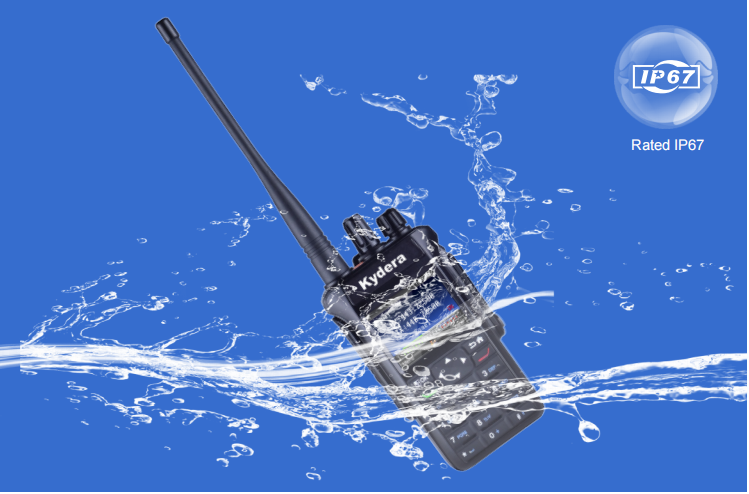
When choosing a long range handheld radio, it’s essential to consider key features that can impact performance. Look for radios with powerful batteries that offer extended operational time, especially if you plan to use them for long periods. Additionally, features like weather resistance and durability are crucial for outdoor activities, ensuring that your device can withstand various environmental conditions.
Another important aspect to consider is the type of frequency the radio operates on. Many long range handheld radios use either UHF (Ultra High Frequency) or VHF (Very High Frequency). UHF radios are typically better suited for urban environments since they can penetrate through buildings, while VHF radios tend to perform better over open water and rural areas. Understanding these frequency characteristics can guide you in selecting the best device for your specific needs.
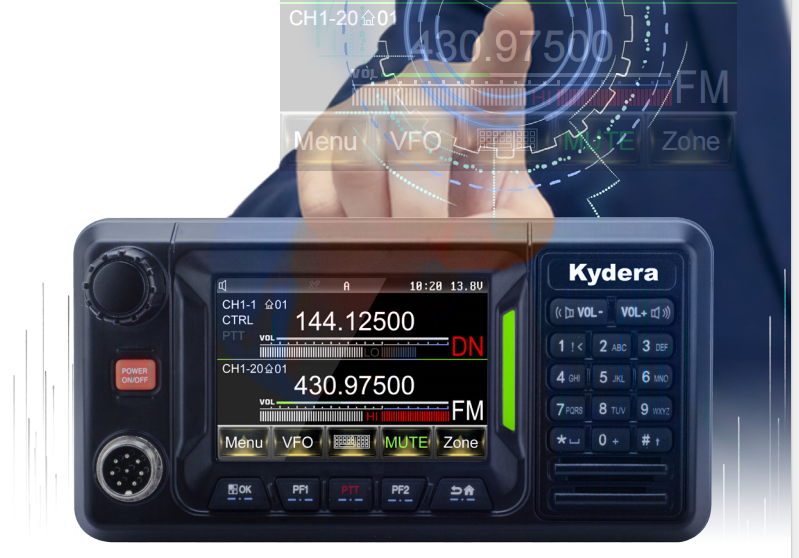
Many modern long range handheld radios also come equipped with advanced features such as digital displays, programmable channels, and even built-in GPS. These functionalities not only enhance usability but can also provide vital information during emergencies or outdoor adventures.
User-friendly design is another critical factor to consider. Ergonomic models with intuitive controls make it easier for users to operate the device, particularly in high-pressure situations. Furthermore, many radios offer privacy features, like CTCSS (Continuous Tone-Coded Squelch System) and DCS (Digital Coded Squelch), which help minimize interference from other users on the same channel.
In conclusion, long range handheld radios are versatile communication devices that offer substantial benefits for a variety of users. By understanding their features and functionalities, you can make an informed decision to select the right radio for your needs, ensuring effective communication when it matters most. Whether for recreational use or professional applications, investing in a quality long range handheld radio can greatly enhance your communication experience.
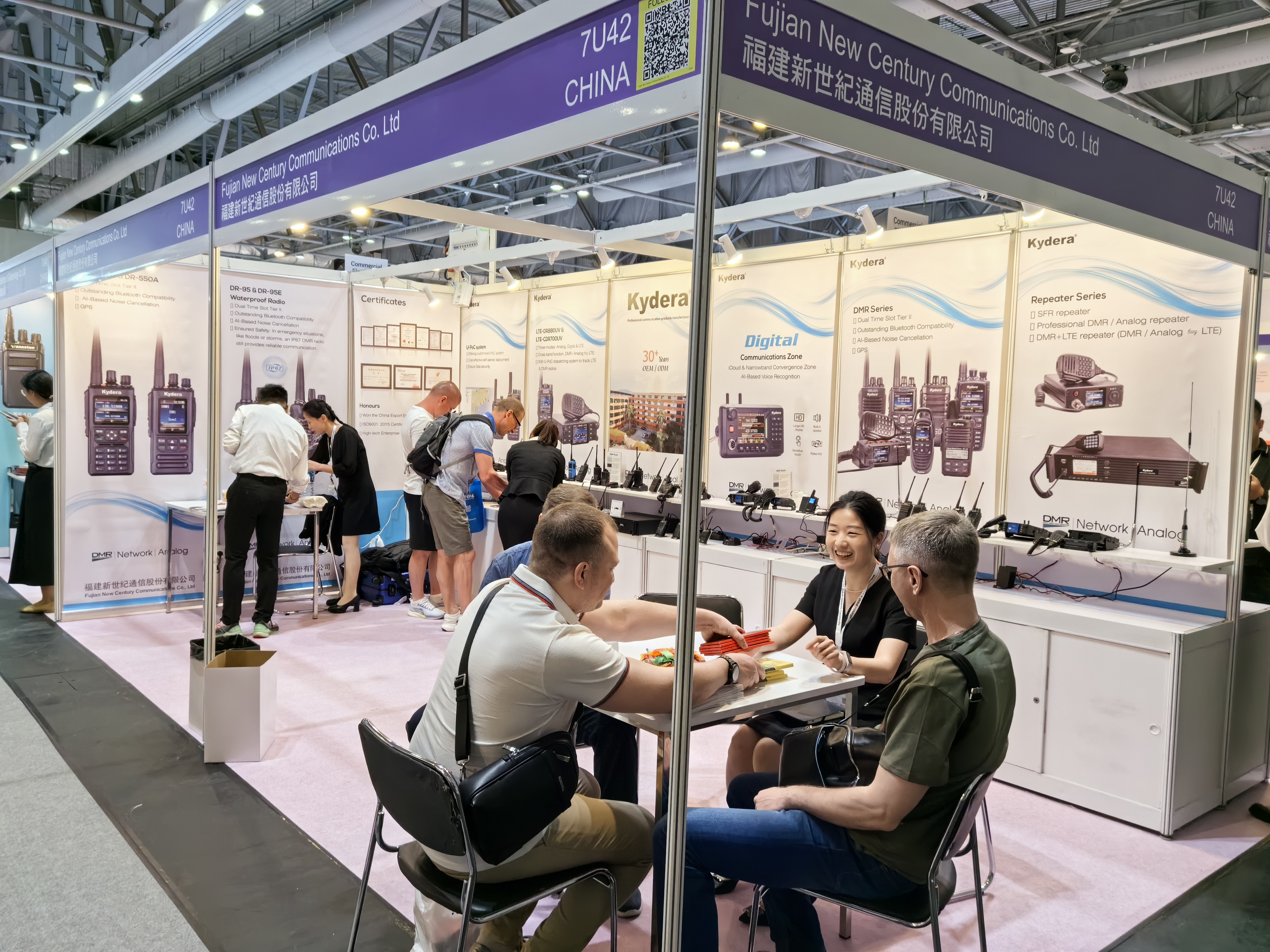
When compared to our industry peers we are not a "workshop". We produce the entire product ourselves. This assures total quality and also protects both our IP and that of our Clients. From hardware design, firmware and software development to manufacturing in house of all products and accessories including the stuffing of all our PCB's, our 15,000 square meter facility includes multiple lines of advanced Japanese automated SMT insertion and flow solder equipment. All completed PCB's are tested with the latest in automated optical recognition computer technology. Using advanced inspection equipment and techniques our ISO 9001:2000-certified system assures our clients with uniform quality and accountability. To ensure performance and product longevity we manufacture our radios using components from Toshiba, ST and NEC. We support our research work and QA departments with a full environmental test laboratory.