Essential Tips for Using Emergency Ham Radio Effectively: Your Ultimate Guide
Essential Tips for Using Emergency Ham Radio Effectively
Table of Contents
1. Introduction to Emergency Ham Radio
In today's world, the need for reliable communication systems during emergencies cannot be overstated. With the increasing frequency of natural disasters and unforeseen events, the use of emergency ham radios has become an invaluable asset. Ham radios, also known as amateur radios, provide an alternative means of communication when traditional systems fail. In this guide, we will explore essential tips for using ham radios effectively in emergency situations.
2. Importance of Ham Radio in Emergencies
The role of ham radios in emergency communication is critical for several reasons:
- Reliability: Ham radios operate independently of traditional communication networks, which may become overloaded or fail during crises.
- Long Range Communication: With proper equipment, ham radios can transmit signals over vast distances, making them ideal for connecting with distant family members or emergency services.
- Community Support: Ham radio operators often form networks, providing mutual aid and information sharing during emergencies.
Understanding the importance of ham radios empowers users to appreciate their potential during tough times.
3. Essential Ham Radio Equipment for Emergency Use
To maximize the effectiveness of your emergency ham radio, you need the right equipment. Below are the essential components:
3.1 Transceiver
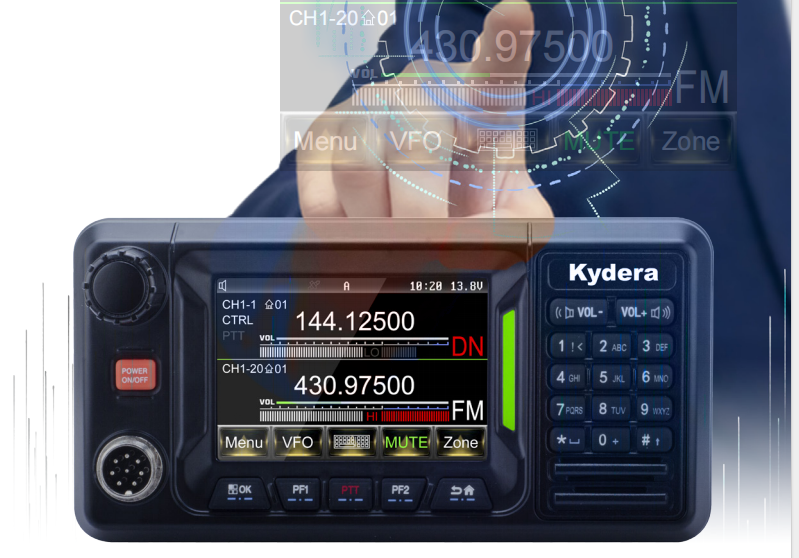
The transceiver is the heart of your ham radio setup. Choose a reliable transceiver that covers multiple bands, allowing for flexibility during emergencies.
3.2 Power Supply
During emergencies, power outages are common. Consider investing in a backup power supply, such as batteries or solar panels, to ensure your radio remains operational.
3.3 Antenna
An effective antenna dramatically increases your radio’s range. Research and select antennas that cater to your specific communication needs.
3.4 Accessories
Don’t overlook accessories like microphones, headsets, and external speakers, which can enhance your operating experience during emergencies.
4. Understanding Licensing Requirements
Before operating a ham radio, it's essential to understand your country's licensing requirements. Obtaining a license ensures that you are knowledgeable about operating protocols and legal regulations.
4.1 Types of Licenses
Most countries require different levels of licensing, including:
- Technician License: Entry-level license granting access to certain frequencies.
- General License: Allows for broader operating privileges across more bands.
- Extra License: Offers the highest privileges and access to all bands.
4.2 Study Resources
Numerous resources, including online courses and local amateur radio clubs, can aid in studying for license exams.
5. Preparing Your Ham Radio for Emergencies
Preparation is key to effective communication during an emergency. Follow these steps to ensure your ham radio is ready:
5.1 Regular Maintenance
Conduct routine checks to ensure your equipment is in working order. Regularly test batteries and inspect cables for wear and tear.
5.2 Create an Emergency Plan
Develop a comprehensive emergency communication plan with family members. Discuss how to use the ham radio and establish designated frequencies for contact.
5.3 Stock Essential Supplies
In addition to your radio, keep extra batteries, cables, and other essential supplies on hand. A well-stocked emergency kit can make a significant difference during crises.
6. Effective Communication Techniques
When using ham radios in emergencies, effective communication is crucial. Here are some tips to enhance your communication skills:
6.1 Use Clear Language
Avoid jargon and technical terms that may confuse listeners. Use clear and concise language to convey information effectively.
6.2 Practice Brevity
In emergencies, every second counts. Practice being brief yet informative to ensure your message is delivered quickly.
6.3 Know Your Frequencies
Familiarize yourself with the frequencies used during emergencies in your area. This knowledge enables you to tune in quickly when needed.
7. Emergency Protocols and Best Practices
To use emergency ham radios effectively, it's essential to follow established protocols.
7.1 Establish Contact
When attempting to reach someone, clearly state your call sign and purpose of the communication. For example, "This is [Your Call Sign], calling for emergency assistance."
7.2 Listen Before Transmitting
Always listen for ongoing transmissions before speaking. This practice prevents overlapping conversations and ensures clearer communication.
7.3 Follow Emergency Communication Procedures
Adhere to established emergency communication procedures, which may include identifying yourself, providing location details, and stating the nature of your emergency.
8. Troubleshooting Common Issues
Even with the best equipment, issues may arise. Knowing how to troubleshoot can be invaluable during emergencies.
8.1 No Signal
If your radio isn't receiving a signal, check your power supply, antennas, and connections. Ensure you are tuned to the correct frequency.
8.2 Distorted Audio
Distorted audio can result from poor antenna connections or interference. Inspect cables and try relocating your radio to minimize interference.
8.3 Battery Drain
If your batteries are draining quickly, ensure they are fully charged and consider investing in higher-capacity batteries for emergency situations.
9. Frequently Asked Questions
9.1 Do I need a license to use ham radio?
Yes, obtaining a license is mandatory in most countries to operate ham radios legally and responsibly.
9.2 What is the best type of ham radio for emergencies?
The best ham radio for emergencies is one that is portable, has multiple band capabilities, and a reliable power source.
9.3 How can I learn more about ham radio operations?
Consider joining a local amateur radio club, attending workshops, and utilizing online resources to deepen your knowledge.
9.4 What should I include in my emergency ham radio kit?
Essential items include your transceiver, backup power supply, extra batteries, antenna, and necessary accessories.
9.5 How often should I test my ham radio equipment?
Regular testing every month is recommended to ensure your equipment functions properly when needed.
10. Conclusion
Using emergency ham radios effectively is a vital skill that can save lives during crises. By understanding the importance of ham radios, preparing your equipment, mastering communication techniques, and following established protocols, you can significantly enhance your preparedness. We encourage you to take these essential tips to heart, ensuring you are equipped to navigate emergencies with confidence.
When compared to our industry peers we are not a "workshop". We produce the entire product ourselves. This assures total quality and also protects both our IP and that of our Clients. From hardware design, firmware and software development to manufacturing in house of all products and accessories including the stuffing of all our PCB's, our 15,000 square meter facility includes multiple lines of advanced Japanese automated SMT insertion and flow solder equipment. All completed PCB's are tested with the latest in automated optical recognition computer technology. Using advanced inspection equipment and techniques our ISO 9001:2000-certified system assures our clients with uniform quality and accountability. To ensure performance and product longevity we manufacture our radios using components from Toshiba, ST and NEC. We support our research work and QA departments with a full environmental test laboratory.