How Long Range Radio Communication Transforms Emergency Response Efforts
Table of Contents
Introduction to Long Range Radio Communication
In today's rapidly changing world, the need for effective communication during emergencies is paramount. Long range radio communication plays a crucial role in bridging gaps between responders, enabling them to coordinate efforts efficiently. This form of communication is not just about transmitting voice; it encompasses data sharing, GPS tracking, and more, providing a comprehensive communication solution that can make all the difference during crises. By understanding how long range radio communication enhances emergency response efforts, we can appreciate its indispensable role in saving lives.
The Importance of Effective Communication in Emergencies
Effective communication is the backbone of any successful emergency response. During crises, information must flow seamlessly among team members, agencies, and communities. Without reliable communication, confusion can arise, leading to delays and potentially tragic outcomes. Long range radio communication systems provide a robust solution to these challenges.
**Key reasons why effective communication is critical:**
- **Rapid Response:** Quick information exchange allows for immediate action, reducing response times.
- **Coordination among Agencies:** Various organizations often respond to emergencies, and effective communication ensures that all parties are on the same page.
- **Public Information Dissemination:** Communicating with the public helps keep them informed, reducing panic and promoting safety.
- **Real-time Data Sharing:** Access to real-time data supports informed decision-making on the ground.
How Long Range Radio Technology Works
Long range radio communication operates through a network of transmitters and receivers that utilize specific frequencies to send and receive signals over vast distances. These systems can be categorized into several types, each suited for different applications in emergency scenarios.
Types of Long Range Radio Communication Systems
1. VHF (Very High Frequency) Radios
VHF radios are commonly used by emergency services due to their reliability over long distances, especially in rural areas. They are less prone to interference and can penetrate obstacles like buildings and hills.
2. UHF (Ultra High Frequency) Radios
UHF radios offer a higher frequency range and are ideal for urban environments. Their shorter wavelengths allow for better penetration of structures, making them suitable for city-based emergency operations.
3. Satellite Communication
For remote areas where traditional radio signals may fail, satellite communication provides a reliable alternative. This technology enables responders to communicate even in areas devoid of cellular networks.
4. Mesh Networks
Mesh networks enhance communication by allowing devices to relay signals to one another, creating a robust network that can cover large areas without reliance on a central hub. This is particularly useful in disaster scenarios where infrastructure may be damaged.
Benefits of Long Range Radio Communication in Emergency Situations
Implementing long range radio communication in emergency response efforts offers numerous advantages, significantly improving operational efficiency and effectiveness.
Enhanced Coverage and Reliability
Long range radios provide extensive coverage, ensuring that responders can maintain communication even in remote locations. This reliability is crucial when every second counts.
Cost-Effectiveness
Long range radio systems can be more cost-effective than alternative communication methods, especially when considering the operational costs of maintaining cellular networks.
Durability and Ruggedness
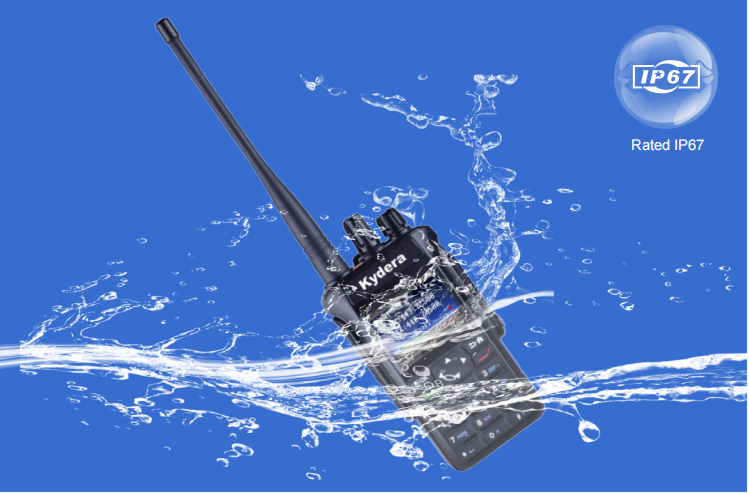
Many long range radios are designed to withstand harsh conditions, making them suitable for emergency situations where environmental factors can be challenging. Their durability ensures consistent performance, regardless of the situation.
Ease of Use
Long range radios are generally user-friendly. Emergency personnel can quickly train staff to operate the devices, allowing them to focus on their primary responsibilities during crises.
Scalability
Long range radio systems can easily be scaled to accommodate large teams and different types of emergencies. This flexibility ensures that communication needs are met, regardless of the situation.
Real-World Applications of Long Range Radio Communication
The practical utility of long range radio communication extends across various fields, with significant implementations in emergency response efforts.
Firefighting Operations
In firefighting, long range radios facilitate real-time communication between different units. This coordination is crucial for ensuring the safety of both firefighters and civilians and optimizing resource deployment.
Search and Rescue Missions
During search and rescue operations, communication is key to success. Long range radios enable teams to stay connected over vast areas, sharing intel on search progress and coordinating efforts effectively.
Natural Disaster Response
In events like hurricanes, floods, or earthquakes, traditional communication infrastructures often fail. Long range radios provide a lifeline for emergency personnel, allowing them to communicate critical information and resources amid chaos.
Military and Defense Operations
Military operations often rely on long range radio communication for strategic planning and execution. These systems enhance coordination and improve situational awareness during missions.
Challenges Faced by Emergency Responders
Despite the clear benefits, long range radio communication systems are not without their challenges.
Interference Issues
Signal interference from other devices or natural obstacles can affect communication clarity. Responders must understand how to mitigate these issues through proper training and equipment maintenance.
Technical Limitations
While long range radio systems can cover extensive distances, they have limitations in terms of bandwidth. This can affect the amount of data transmitted at once, necessitating careful planning during operations.
Training Requirements
While long range radios are user-friendly, thorough training is essential to ensure that all personnel can operate the equipment effectively in high-pressure situations.
The Future of Long Range Radio Communication in Emergency Management
As technology continues to evolve, the future of long range radio communication in emergency management looks promising. Integrating advanced technologies, such as artificial intelligence and machine learning, could enhance the capabilities of these systems.
Integration with IoT Devices
The Internet of Things (IoT) is a game-changer for emergency communication. By linking long range radios with IoT devices, responders can access crucial data in real-time, improving decision-making and response capabilities.
Enhanced Data Transmission
Future developments may lead to improved data transmission methods, allowing for richer data exchanges, including video and imagery, in addition to voice communication.
Adaptive Networks
Emerging adaptive network technologies may enable long range radios to automatically switch between communication methods based on real-time conditions, ensuring uninterrupted communication.
Conclusion
Long range radio communication is a transformative tool in emergency response efforts. By ensuring reliable, widespread coverage, facilitating real-time data exchange, and enhancing coordination among responders, these systems play an essential role in saving lives and mitigating disasters. As technology advances, the capabilities of long range radio communication will continue to improve, further revolutionizing how emergency services operate. Investing in this technology is not merely a choice; it is a necessity for effective and efficient emergency management.
Frequently Asked Questions
1. What is long range radio communication?
Long range radio communication refers to the use of specialized radio systems that can transmit signals over extensive distances, allowing for reliable communication in various environments.
2. How does long range radio communication enhance emergency response?
These systems improve response times, facilitate coordination among agencies, and allow for real-time data sharing, ultimately leading to more effective emergency management.
3. What types of long range radios are commonly used?
Common types include VHF, UHF, satellite communication systems, and mesh networks, each suited for specific environments and applications.
4. Are long range radio systems cost-effective?
Yes, long range radio systems can be more cost-effective than maintaining cellular networks, particularly in rural or remote areas where traditional infrastructure may be lacking.
5. What challenges do responders face with long range radio communication?
Challenges include potential signal interference, technical limitations regarding data transmission, and the need for thorough training to effectively operate the systems.
By investing in and adopting long range radio communication technologies, emergency responders can significantly enhance their operational effectiveness and better serve their communities during critical times.